Selecting the Top Water Heater Installer in Saint Michael
Expert Water Heater Installation Services to Keep Your Home Comfortable All Year Long
Water heater installation is a critical aspect of maintaining a comfortable home environment. Expert assistance guarantees adherence to safety regulations while improving performance. Experienced professionals evaluate specific requirements to choose the optimal system. This thorough method helps avoid potential problems and maximize energy efficiency. Understanding the importance of expert installation raises questions about selecting the right service and the various water heater options available. What factors ought property owners evaluate to reach a knowledgeable decision?
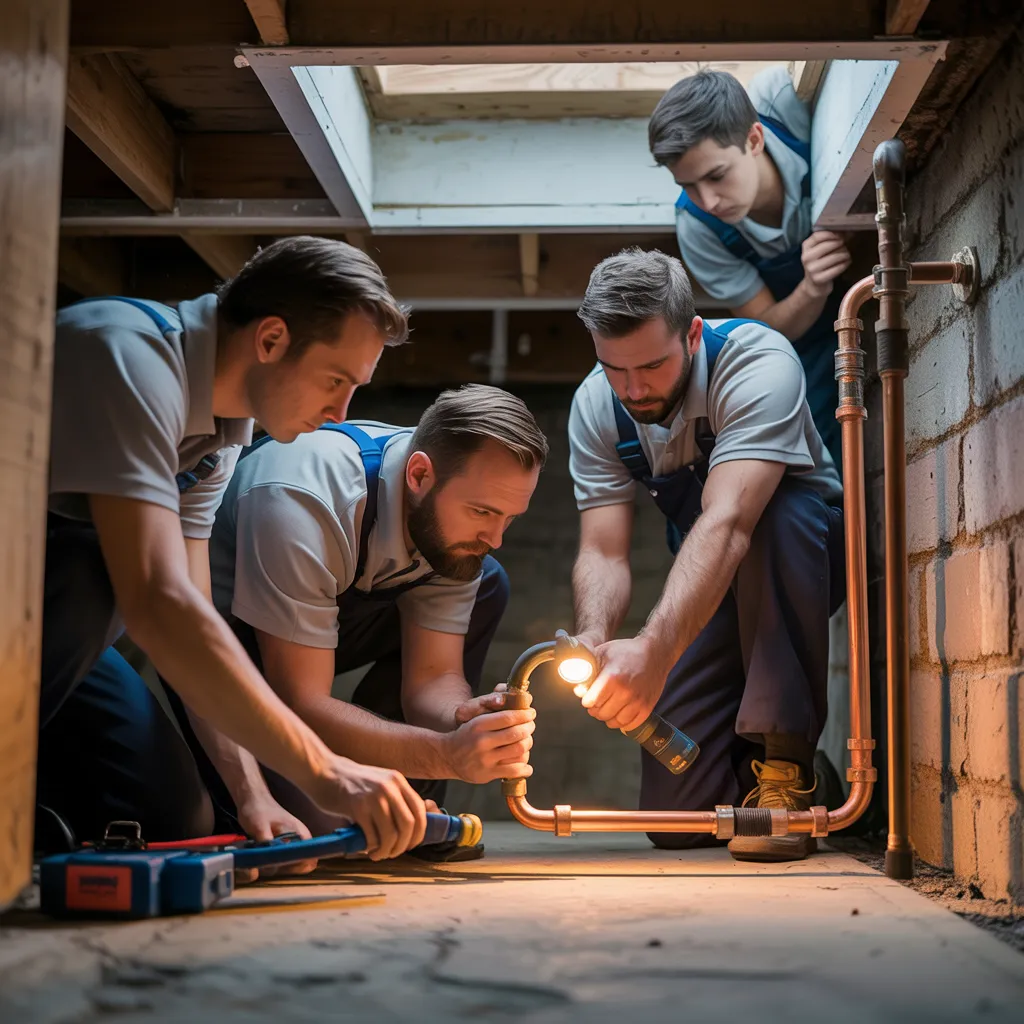
How Professional Water Heater Installation Benefits Your Home
When residents think about improving their water heating equipment, the value of professional dive in installation cannot be overstated. Appropriate installation is critical to ensure safety, efficiency, and longevity of the system. A qualified technician possesses the essential training and experience to follow local codes and regulations, reducing the risk of errors that could cause hazards such as leaks or electrical issues. Furthermore, professional installers can precisely assess the specific needs of a home, ensuring the selected unit is properly sized and configured for optimal performance. This not only enhances the unit's functionality but can also avert future costly repairs. Moreover, expert installation often includes warranties that secure the homeowner's investment, providing peace of mind. In contrast, DIY installations may create complications that could undermine the system's effectiveness and safety, making professional installation an essential consideration for any homeowner looking to upgrade their water heating system.
Advantages of Skilled Water Heater Installation
Expert water heater installation delivers substantial benefits, specifically in terms of safety and energy efficiency. Expert technicians ensure that all safety protocols are carefully implemented, reducing the risk of potential issues. Moreover, their expertise of optimal installation techniques results in improved energy efficiency, consequently decreasing utility costs for homeowners.
Elevated Safety Procedures
How can enhanced safety measures significantly impact the installation of water heaters? Expert water heater installation companies emphasize safety through conformity to local codes, regulations, and industry standards. Experts are prepared to deal with potential hazards, such as gas leaks or electrical issues, ensuring that installations are performed correctly and safely. By using proper techniques and using high-quality materials, they lower the risk of accidents or malfunctions. Furthermore, professional installers carry out thorough inspections before and after installation, spotting potential safety concerns that a novice might overlook. This level of diligence doesn't just improve the safety of the household and supplies peace of mind for homeowners, knowing that their water heater is properly installed and operating correctly.
Maximum Energy Efficiency
While numerous homeowners could underestimate the value of professional installation, optimal energy efficiency is one of the key benefits that can notably boost the performance of a water heater. When installed by experts, water heaters are fine-tuned to work at their optimal efficiency levels, reducing energy waste and lowering utility bills. Experts guarantee that all components, including pipes and fittings, are correctly sized and fitted, stopping heat loss and optimizing energy use. Moreover, they can offer recommendations on the most appropriate models based on the household's needs, guaranteeing that the water heater functions effectively without overworking. Overall, professional installation not only extends the lifespan of the unit but also facilitates a more eco-friendly and cost-effective household environment.
Common Water Heater Varieties and Their Perks
When considering water heater options, homeowners frequently discover a range of types, each providing specific advantages that address different needs. Classic tank water heaters are common for their capability to store hot water, making them suitable for larger households. They are typically less expensive at first but may incur higher energy costs over time.
In contrast, tankless water heaters offer hot water on demand, providing energy savings and the convenience of never running out of hot water. They are small and excellent for smaller spaces.
Heat pump water heaters use electricity to relocate heat, offering considerable energy efficiency in moderate climates. Solar water heaters utilize sunlight, reducing utility bills and environmental impact but may require a larger upfront investment.
Every type offers unique benefits, allowing homeowners to pick a system that matches their specific usage patterns and energy efficiency requirements.
How to Tell When Your Water Heater Requires Replacement?
What signs indicate that a water heater may need replacement? Home residents should monitor for several significant signals. To begin with, the unit's age is a major factor; typical water heaters have a lifespan of 8 to 12 years. If equipment approaches or passes this duration, replacement should be assessed. Secondly, visible leaks or accumulated water near the bottom indicates possible malfunction. Also, erratic water temperatures or diminished hot water provision may point to internal defects. Brown or stained water represents another alert, implying corrosion in the tank. Also, odd noises, such as popping or thundering sounds, commonly signal sediment collection or mechanical issues. Lastly, rising energy costs could indicate poor efficiency, requiring thorough examination. Recognizing these signs can help homeowners avoid unexpected failures and ensure a reliable hot water supply.
Choosing the Ideal Water Heater Installation Service
How do homeowners be sure they find the best water heater installation service? First, they should investigate local companies by examining online reviews and examining ratings on platforms like the Better Business Bureau. This assists in gauge the quality of service provided. In addition, homeowners should obtain quotes from multiple services to contrast pricing and clarify what is included. It's important to ensure that the selected installer is licensed, insured, and experienced, as this confirms compliance with safety regulations and industry standards. Homeowners might also consider asking for suggestions from friends or family, as personal experiences can provide valuable insights. Finally, a reputable service provider will offer warranties for both labor and equipment, demonstrating confidence in their work. By completing these steps, homeowners can make informed decisions and choose a water heater installation service that meets their particular needs and expectations.
Expected Steps in the Installation Process
Property owners can expect a structured and efficient process during water heater installation once they have secured a reputable service. To begin with, the installation team will appear promptly, prepared with the essential tools and equipment. They will conduct a complete assessment of the existing plumbing and electrical systems to confirm compatibility with the new water heater.
Following the evaluation process, the professionals will safely disconnect the old unit, carefully following all safety protocols. Afterward, they will properly install and fasten the new water heater, hooking it up to the water supply and power source. Throughout the process, the team will keep open lines of communication, responding to any questions the homeowner may have.
After the installation is finished, they will conduct a set of tests to verify the unit functions safely and efficiently. After that, the team will clear the workspace, leaving the area tidy and ready for the homeowner's use.
Strategies for Maintaining Your Water Heater for Maximum Performance
Taking care of a water heater is essential for ensuring its effectiveness and lifespan. Regular flushing assists in eliminating sediment accumulation, while setting the temperature level can enhance energy efficiency. These basic practices can substantially boost the operation of a water heater.
Regular Flushing Process
Periodic flushing of a water heater is necessary for guaranteeing its peak efficiency and extended lifespan. As time passes, deposits of minerals and sediment can gather at the bottom of the tank, resulting in diminished effectiveness and potential issues. To perform a flush, one should initiate by shutting off the gas or power supply to the heater. Next, the incoming cold water is stopped, and a hose is attached to the drain valve, guiding water to a designated drainage spot. Activating the drain valve allows the sediment-filled water to discharge. It is beneficial to occasionally inspect the flushing process, confirming all sediment is eliminated. Performing this service procedure at least annually can considerably increase the water heater's efficiency and lifespan.
Temperature Configuration Changes
Changing the temperature setting of a water heater is vital for both energy efficiency and comfort. Most experts advise setting the thermostat between 120°F and 140°F. This range provides adequate hot water while reducing energy costs and reducing the risk of scalding. Regular checks of the temperature can help sustain optimal performance; if the water is consistently too hot or too cold, adjustments may be required. Moreover, insulation around the tank and pipes can enhance efficiency, keeping water warm longer. Homeowners should also be mindful that seasonal changes may necessitate temperature adjustments to guarantee consistent comfort throughout the year. Applying these simple adjustments can substantially lengthen the life of the water heater and optimize overall household energy use.
Frequently Asked Questions
What Is the Average Duration for a Water Heater Installation?
An average water heater installation generally takes between 2 to 4 hours, depending on factors including the type of heater, existing plumbing connections, and any additional modifications required for correct installation and setup.
Is Self-Installation of a Water Heater Feasible?
Installing a water heater oneself is possible for those with proper plumbing and electrical knowledge. Nonetheless, local codes and safety standards need to be adhered to, making professional installation a more dependable and generally safer solution.
Which Permits Are Needed for Water Heater Setup?
Generally, permits required for water heater installation include a plumbing permit and occasionally electrical permits, based on local regulations. Homeowners should contact their local building authority to guarantee compliance with all applicable codes and requirements.
How Do I Know the Proper Size Water Heater for My Home?
To identify the appropriate size water heater, it's essential to assess how many people live in your household, peak usage periods, and individual appliance requirements. Calculating the necessary gallons per minute will help determine an proper capacity for optimal hot water availability.
Which Warranties Are Provided for Installed Water Heaters?
Various warranties are available for installed water heaters, generally ranging from six through twelve years. These warranties might cover tank leaks, parts, and labor, subject to the manufacturer and exact model picked by the homeowner.